
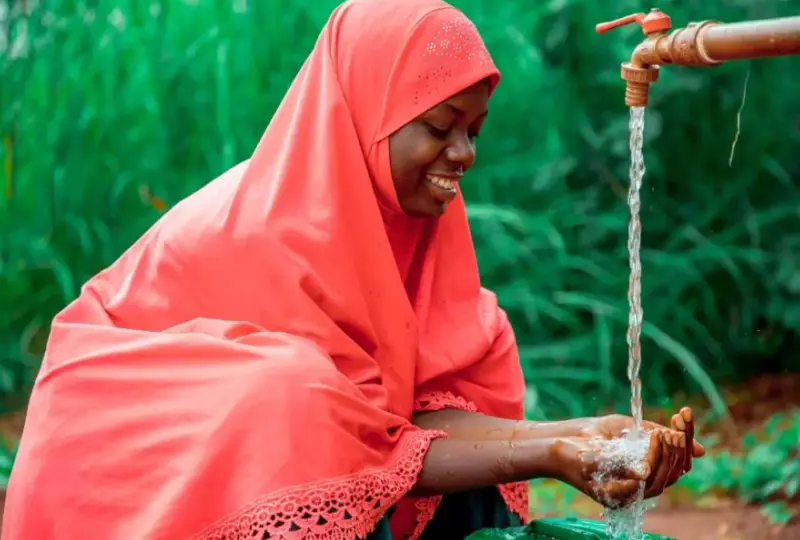
Access to clean and safe water is a basic human need, yet many rural communities in Tanzania still face serious challenges in obtaining it. For decades, families in remote villages have walked long distances to fetch water from unsafe sources such as ponds, rivers, or open wells. These conditions expose communities to waterborne diseases and limit opportunities for education and development. Fortunately, clean water projects across Tanzania are changing lives in remarkable ways. From improving health to boosting economic growth, these initiatives have brought hope and progress to countless villages.
Improving Health and Reducing Diseases
One of the most visible impacts of clean water projects in Tanzanian villages is the improvement in public health. Before the introduction of safe water sources, many families suffered from diseases like cholera, typhoid, and diarrhea. These illnesses, often caused by contaminated water, were especially dangerous for young children. Clean water projects have significantly reduced such cases, allowing families to live healthier lives. Access to safe water also improves hygiene practices such as regular handwashing, proper sanitation, and food preparation, which further reduces disease outbreaks in rural communities.
Empowering Women and Children
In many Tanzanian villages, the responsibility of fetching water often falls on women and children. They walk several kilometers each day, carrying heavy containers, which consumes time and energy that could be spent on education or income-generating activities. Clean water projects bring water closer to homes and schools, giving women and children more time to focus on productive tasks. Girls, in particular, benefit greatly since they can attend school consistently instead of spending hours collecting water. With improved access to water, families experience a better balance of responsibilities and more opportunities for growth.
Enhancing Education Opportunities
When clean water is available near schools, the benefits extend directly to education. Students can stay hydrated throughout the day, and teachers can focus on teaching instead of worrying about illness or absenteeism. Schools with reliable water sources can also maintain proper sanitation facilities, improving the learning environment. Additionally, children who are no longer burdened by long walks to fetch water have more time to study and play. As a result, clean water projects contribute to higher school attendance and better academic performance.
Boosting Local Economies
Clean water has a powerful impact on local economies. When communities have easy access to safe water, they can engage in small-scale farming, gardening, and livestock keeping more effectively. Crops can be irrigated, livestock can stay healthy, and families can grow food for both consumption and sale. Women who previously spent hours fetching water can now start small businesses or participate in community development projects. Clean water access also attracts new investments, as local entrepreneurs and organizations see the potential for sustainable growth in healthier communities.
Promoting Environmental Sustainability
Clean water initiatives often go hand in hand with environmental conservation. Many projects in Tanzania include training on sustainable water use, tree planting, and soil protection to ensure long-term access to water. Properly maintained boreholes, rainwater harvesting systems, and protected wells help prevent water scarcity during dry seasons. Communities learn to take care of their natural surroundings, ensuring that future generations will continue to benefit from clean and safe water.
Strengthening Community Unity
Clean water projects not only transform daily life but also bring people together. Community members often participate in planning, construction, and maintenance activities, fostering teamwork and ownership. This sense of responsibility strengthens local leadership and encourages continued care of the water facilities. When communities unite around a common goal like access to clean water, they build stronger relationships and a shared sense of pride in their achievements.
Conclusion
The impact of clean water projects on Tanzanian villages is far-reaching and transformative. They improve health, empower women, enhance education, and strengthen local economies. Beyond these benefits, clean water fosters unity and sustainability, creating a foundation for a better future. Every well drilled and every pump installed represents more than just access to water, it symbolizes hope, dignity, and opportunity. For organizations like Joy Kids, supporting clean water projects means giving Tanzanian children and families the chance to live healthier, happier, and more fulfilling lives.