
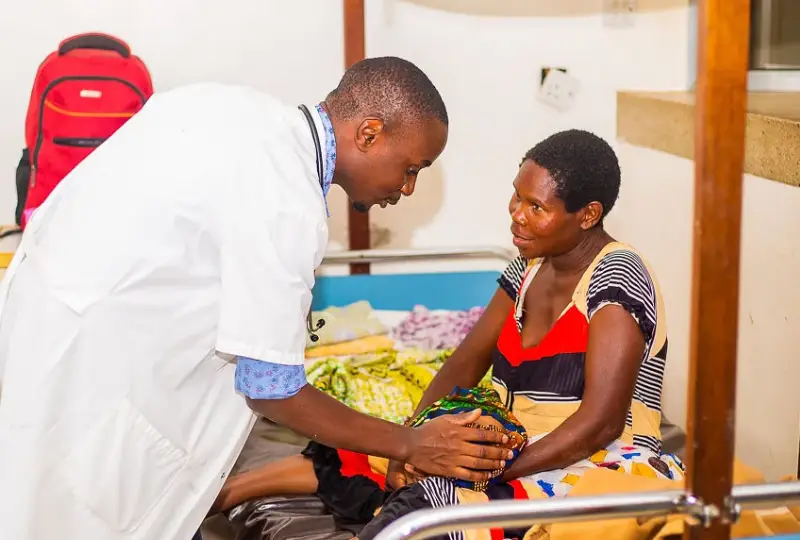
Faith-based charities play a vital role in supporting communities across Tanzania. Guided by values of compassion, service, and social responsibility, these organizations work to address critical needs in education, healthcare, clean water, and community development. Their impact is visible in both rural and urban areas, where access to essential services can often be limited. By combining humanitarian aid with spiritual guidance, faith-based charities provide holistic support that strengthens families, empowers individuals, and promotes sustainable growth.
Supporting Education and Child Development
Education is a cornerstone of community development, and faith-based charities in Tanzania have been at the forefront of improving access to learning. Many children in rural areas face challenges such as overcrowded classrooms, lack of teaching materials, and long distances to school. Charities help by building schools, supplying textbooks and stationery, funding teacher training, and offering scholarships to children from low-income families.
These initiatives ensure that children receive consistent and quality education, giving them the tools to pursue higher learning and professional opportunities. In addition, many faith-based organizations run mentorship and after-school programs that foster both academic and personal growth. Children not only gain knowledge but also learn important life skills, values, and confidence to overcome challenges.
Improving Healthcare Access
Access to healthcare remains a significant challenge in many Tanzanian communities, particularly in remote areas. Faith-based charities contribute by organizing medical outreach programs, vaccination campaigns, and maternal and child health services. Volunteers and healthcare professionals often work together to provide treatment, health education, and preventive care.
These initiatives have a profound impact on reducing disease, improving nutrition, and promoting overall wellness. By addressing both immediate health needs and long-term preventive care, faith-based charities help communities achieve better health outcomes while empowering families to take control of their well-being.
Providing Clean Water and Sanitation
Clean water and proper sanitation are essential for healthy communities, yet many Tanzanian villages still lack these basic necessities. Faith-based charities often fund projects that build wells, boreholes, and water purification systems. They also conduct training on hygiene practices and proper sanitation, helping communities maintain these resources sustainably.
Access to clean water reduces the spread of waterborne diseases, improves children’s school attendance, and allows women and families to devote more time to productive activities. These projects have a lasting impact, improving quality of life and creating healthier, more resilient communities.
Empowering Women and Families
Faith-based charities also focus on empowering women and families through skills training, vocational programs, and economic development initiatives. Women are taught skills such as tailoring, crafts, farming, and small business management, enabling them to generate income and provide for their families. Empowered women are better able to support their children’s education, improve household nutrition, and participate in community decision-making.
When families are economically stable and supported, the entire community benefits. Programs that promote women’s empowerment create ripple effects, leading to stronger local economies, improved education outcomes, and healthier communities.
Promoting Community Values and Social Cohesion
Faith-based charities often integrate moral and ethical guidance into their programs, promoting values such as compassion, integrity, and respect. This approach strengthens social cohesion, encourages volunteerism, and inspires collective action toward community development. By fostering a sense of responsibility and shared purpose, these organizations help communities work together to solve local challenges and create a supportive environment for all members.
Conclusion
Faith-based charities in Tanzania provide critical support that touches multiple aspects of community life. From education and healthcare to clean water and women’s empowerment, these organizations create lasting change that strengthens families and uplifts communities. Their holistic approach, combining practical aid with values-based guidance, ensures that development is sustainable, meaningful, and inclusive. By partnering with faith-based charities, donors and volunteers contribute to building resilient communities where children, families, and individuals can thrive.