
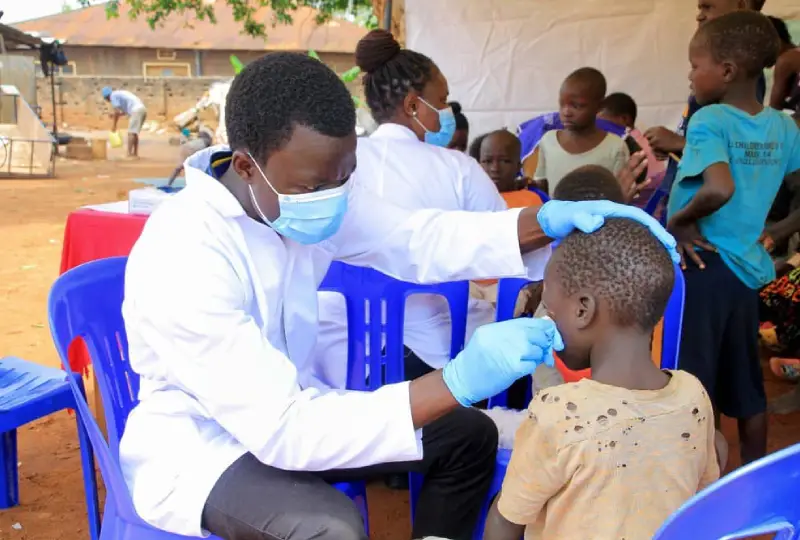
Rural communities in Tanzania often face significant challenges when it comes to healthcare. Limited access to medical facilities, shortages of trained healthcare professionals, and lack of health education make it difficult for families to maintain good health. In response, health projects across the country are working to save lives by providing essential medical services, raising awareness about disease prevention, and promoting healthier lifestyles. These initiatives not only address immediate health needs but also create long-term improvements in community well-being.
Providing Access to Essential Healthcare
One of the most critical ways health projects save lives in rural Tanzania is by bringing medical services directly to underserved communities. Mobile clinics, outreach programs, and community health centers provide essential care such as vaccinations, treatment for common illnesses, maternal and child health services, and emergency care. For many families, these initiatives are the only way to access reliable healthcare, reducing preventable illnesses and deaths.
By addressing both acute and chronic health issues, these projects ensure that children, mothers, and the elderly receive timely treatment. Early diagnosis and treatment of conditions such as malaria, respiratory infections, and malnutrition can dramatically improve survival rates and quality of life.
Educating Communities on Health and Hygiene
Health education is a core component of successful health projects. Many rural Tanzanian communities lack information about disease prevention, nutrition, and proper hygiene practices. Health projects provide workshops, training sessions, and awareness campaigns to educate families about handwashing, safe water usage, sanitation, and balanced diets.
When communities understand how to prevent illnesses, they can take proactive steps to protect themselves. Simple practices, such as boiling water, washing hands, and proper food handling, have a significant impact on reducing the spread of infectious diseases and improving overall health.
Improving Maternal and Child Health
Maternal and child health remains a major concern in rural Tanzania. Many women face complications during pregnancy and childbirth due to lack of access to trained healthcare providers and medical facilities. Health projects address this by offering prenatal care, skilled birth attendance, and postnatal support.
Programs that focus on maternal health also educate mothers about breastfeeding, nutrition, and child immunization. These efforts save lives by preventing complications during childbirth, reducing infant mortality, and ensuring that children grow up healthy and strong.
Promoting Access to Clean Water and Sanitation
Clean water and sanitation are essential for good health, yet many rural communities still struggle with unsafe water sources. Health projects often collaborate with water and sanitation initiatives to provide boreholes, wells, and hygiene education. Access to clean water reduces the risk of waterborne diseases such as cholera, typhoid, and diarrhea, which are major causes of illness and death among children.
By combining healthcare services with clean water projects, health initiatives create a holistic approach that improves overall well-being and prevents recurring illnesses.
Empowering Communities to Take Charge of Health
Sustainable health projects focus not only on providing immediate care but also on empowering communities to maintain long-term health improvements. Training community health workers, establishing local clinics, and encouraging preventive care practices ensure that health benefits continue even after external support ends. Communities become more resilient, able to respond to health challenges independently and reduce dependency on outside aid.
Conclusion
Health projects in rural Tanzania save lives by addressing critical healthcare gaps, educating communities, improving maternal and child health, and promoting clean water and sanitation. These initiatives have a profound impact on children, families, and entire communities, creating a foundation for healthier, more productive lives. Organizations that support health projects, such as Joy Kids, play a vital role in ensuring that families in rural Tanzania have access to the care, knowledge, and resources they need to thrive.