
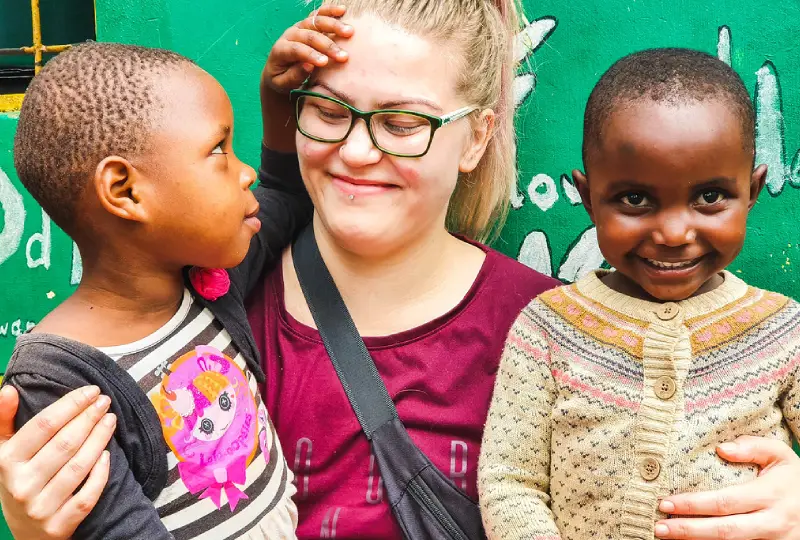
Volunteering or joining a charity in Tanzania can be a life-changing experience. It offers the chance to make a real difference in communities while learning about Tanzanian culture, wildlife, and traditions. However, before committing your time or resources, it’s important to understand the environment, expectations, and responsibilities involved. Here are ten key things you should know before joining a charity in Tanzania.
1. Understand the Charity’s Mission
Before getting involved, research the organization’s mission, values, and projects. Make sure the charity aligns with your goals and interests. Some focus on education, others on healthcare, clean water, women’s empowerment, or wildlife conservation. Understanding the mission helps ensure your contribution has the intended impact.
2. Verify Credibility and Transparency
Not all charities operate with the same level of accountability. Look for organizations that are registered in Tanzania, provide clear reports of their work, and are transparent about how donations are used. Reputable charities will offer evidence of completed projects and measurable outcomes.
3. Be Prepared for Cultural Differences
Tanzania has a rich cultural heritage, and customs may differ from what you are used to. Respect for local traditions, language, and community practices is essential. Learning a few words in Swahili and understanding local etiquette can help you connect with the people you’re there to support.
4. Consider the Type of Volunteering
Charities offer different types of volunteering opportunities. Some involve teaching, healthcare, or childcare, while others focus on construction, agriculture, or conservation. Make sure your skills and expectations match the project requirements to maximize your contribution.
5. Understand Living Conditions
Many charity projects are in rural areas where accommodations may be basic. Be prepared for shared living spaces, limited internet, and simpler facilities. Having realistic expectations will help you adjust more easily and focus on your volunteer work.
6. Know the Costs Involved
Some charities charge program fees to cover accommodation, food, transportation, and project expenses. While these fees support the charity’s work, it’s important to budget carefully and understand what is included. Avoid organizations that are not transparent about costs.
7. Be Ready to Commit Time and Effort
Volunteering in Tanzania often requires long hours and hard work. Whether building a school, teaching children, or participating in community projects, you should be prepared to be actively involved and flexible in your daily schedule.
8. Take Health Precautions
Tanzania has areas where malaria, yellow fever, and other diseases are common. Consult a travel clinic before your trip to get necessary vaccinations and malaria prevention advice. Bring a first aid kit and any personal medications you may need.
9. Respect Community Sustainability
The goal of charity work is to empower communities, not create dependency. Follow guidance from the charity staff and community leaders to ensure your work supports sustainable development. Avoid initiatives that may unintentionally harm local practices or create reliance on external help.
10. Prepare for Personal Growth
Joining a charity in Tanzania is not only about helping others; it’s also a journey of self-discovery. You will encounter challenges, adapt to new environments, and gain a deeper understanding of global issues. The experience can be transformative, building resilience, empathy, and cultural awareness.
Conclusion
Volunteering with a charity in Tanzania offers the chance to make a meaningful impact while immersing yourself in a vibrant culture and beautiful landscapes. By understanding the mission, being prepared for cultural and logistical challenges, and committing to sustainable and responsible practices, you can ensure a rewarding and impactful experience. Organizations like Joy Kids provide structured programs that guide volunteers through these important aspects, making it easier to contribute effectively and responsibly to Tanzanian communities.