
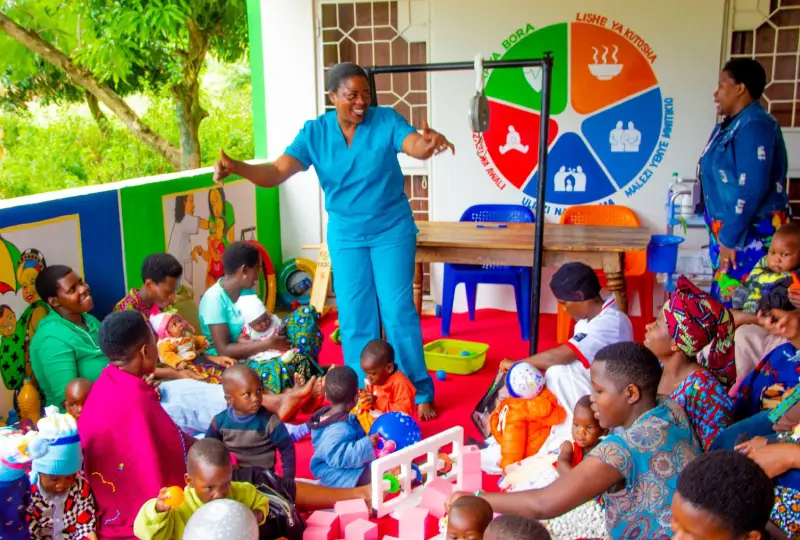
Early education plays a crucial role in the development of children, laying the foundation for lifelong learning, social skills, and personal growth. In Tanzania, where many children face challenges such as poverty, limited access to schools, and inadequate learning resources, early education initiatives are more important than ever. By investing in the early years of a child’s life, communities and organizations like Joy Kids Tanzania can empower children to reach their full potential, creating long-term benefits for families and society as a whole.
Building Strong Cognitive and Social Skills
Early education helps children develop essential cognitive skills, including problem-solving, critical thinking, and language abilities. Programs that focus on interactive learning, play-based activities, and storytelling encourage curiosity and creativity, preparing children for formal schooling. Social skills are equally important. In structured early education environments, children learn cooperation, sharing, communication, and emotional regulation. These foundational skills improve their ability to interact with peers, teachers, and family members, creating confident and well-adjusted individuals.
Preparing for Primary Education
In Tanzania, access to primary education is improving, but many children enter school without the foundational skills they need to succeed. Early education programs ensure that children are school-ready, familiar with basic literacy and numeracy, and accustomed to classroom routines. This preparation reduces dropout rates and improves academic performance, helping children progress smoothly through the education system. Children who attend early education programs are more likely to complete primary school and pursue further learning opportunities.
Supporting Health and Nutrition
Early education initiatives in Tanzania often go hand-in-hand with health and nutrition programs. Well-nourished children are better able to focus, engage in learning, and develop physically and mentally. Many early education centers provide meals, hygiene education, and health screenings, ensuring that children grow strong and healthy. By combining education with nutrition and health support, programs address multiple factors that influence a child’s overall development.
Encouraging Parental and Community Engagement
Early education also strengthens families and communities. Parents and caregivers play a critical role in supporting their children’s learning and development. Programs often involve parents in activities, workshops, and awareness campaigns, teaching them how to reinforce learning at home and promote healthy habits. Engaging the community ensures that early education initiatives are culturally relevant, sustainable, and widely supported, creating a positive environment for children to thrive.
Reducing Inequality and Promoting Inclusive Learning
Access to early education helps reduce social and economic inequalities. Children from disadvantaged backgrounds often start school at a disadvantage, but quality early education programs provide equal opportunities for learning and development. Inclusive programs also cater to children with special needs or learning differences, ensuring that no child is left behind. By addressing disparities early, communities can create a more equitable foundation for lifelong learning.
Creating Long-Term Benefits
Investing in early education has long-term benefits for both individuals and society. Children who receive quality early education are more likely to succeed academically, have better employment opportunities, and contribute positively to their communities. They are also more likely to adopt healthy lifestyles, practice good social behaviors, and break cycles of poverty. Early education creates a strong foundation that supports personal growth, economic development, and social cohesion.
Conclusion
Early education is essential for the healthy development, learning, and well-being of Tanzanian children. By focusing on cognitive, social, and emotional growth, while integrating health, nutrition, and parental engagement, early education programs empower children to reach their full potential. Organizations like Joy Kids Tanzania play a vital role in providing these opportunities, ensuring that every child has the support, resources, and guidance needed to thrive. Investing in early education is an investment in the future of Tanzanian children, families, and communities, creating lasting positive impact for generations to come.