
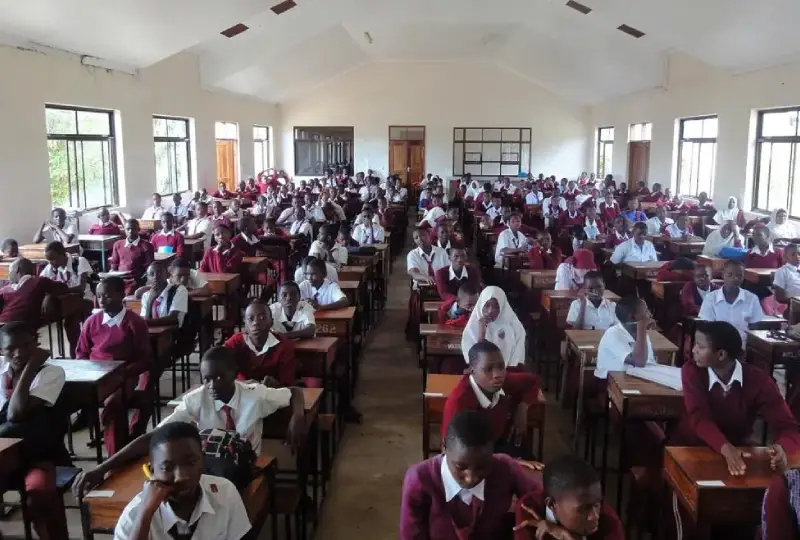
Education is one of the most powerful tools for breaking the cycle of poverty, and in Tanzania, it plays a critical role in shaping the future of children, families, and communities. With many children facing barriers such as limited access to schools, inadequate learning materials, and economic hardship, investing in education has the potential to create lasting change. Organizations like Joy Kids Tanzania recognize that education is not just about classrooms and textbooks, it is a pathway to empowerment, opportunity, and sustainable development.
Education as a Foundation for Personal Growth
Education equips children with knowledge, skills, and confidence needed to navigate life. From learning to read and write to developing critical thinking and problem-solving abilities, education opens doors to opportunities that would otherwise be inaccessible. In Tanzania, where many families live below the poverty line, education gives children the tools to improve their circumstances, make informed decisions, and pursue meaningful careers.
Early education programs are particularly important, as they provide a strong foundation for lifelong learning. Children who attend quality early education are more likely to succeed in primary and secondary school, develop social skills, and cultivate a love for learning. This early start can have a ripple effect, improving future employment prospects and overall quality of life.
Empowering Communities Through Education
Besides, Education extends beyond individual benefits; it has a transformative impact on entire communities. Literate and educated individuals are better able to participate in civic activities, advocate for their rights, and contribute to local economic development. They can share knowledge about health, nutrition, and sustainable practices, creating a positive cycle that uplifts the broader community.
Programs that combine education with vocational training, mentorship, and life skills development are particularly effective. These initiatives prepare young people to enter the workforce, start businesses, and contribute to local economies, reducing reliance on external aid and fostering self-sufficiency.
Reducing Inequality and Promoting Social Mobility
Poverty often intersects with other forms of disadvantage, including gender inequality and rural-urban disparities. Education is a critical equalizer, providing opportunities for marginalized groups to overcome social and economic barriers. Girls, for instance, who receive education are more likely to delay marriage, have fewer children, and participate in the workforce. Educated children from low-income families have better chances of accessing higher education and improving their social mobility.
Inclusive education initiatives, such as programs for children with disabilities or those from remote areas, ensure that no child is left behind. By reaching all children, education becomes a powerful tool for reducing inequality and promoting social justice.
Education and Economic Development
Likewise, There is a strong link between education and economic growth. Skilled and educated individuals contribute to a more productive workforce, innovation, and entrepreneurship. For Tanzania, expanding access to education can stimulate economic development, reduce unemployment, and strengthen industries. Education equips young people with the knowledge and skills to enter high-demand sectors, improve household incomes, and break the intergenerational cycle of poverty.
The Role of Charitable Organizations
Although, Organizations like Joy Kids Tanzania play a crucial role in supporting education for children who face economic and social challenges. By providing school fees, learning materials, mentorship, and nutritional support, these organizations ensure that children can attend school consistently and perform well academically. Charity programs that combine education with health, nutrition, and community engagement create a holistic approach that maximizes impact and sustainability.
Conclusion
Education is more than just a classroom experience; it is a transformative force that can break the cycle of poverty in Tanzania. By equipping children with knowledge, skills, and confidence, education empowers individuals, strengthens communities, and fosters economic growth. Programs supported by organizations like Joy Kids Tanzania ensure that education reaches those who need it most, providing opportunities for children to thrive, families to prosper, and communities to develop sustainably. Investing in education is investing in the future one child, one family, and one community at a time.