
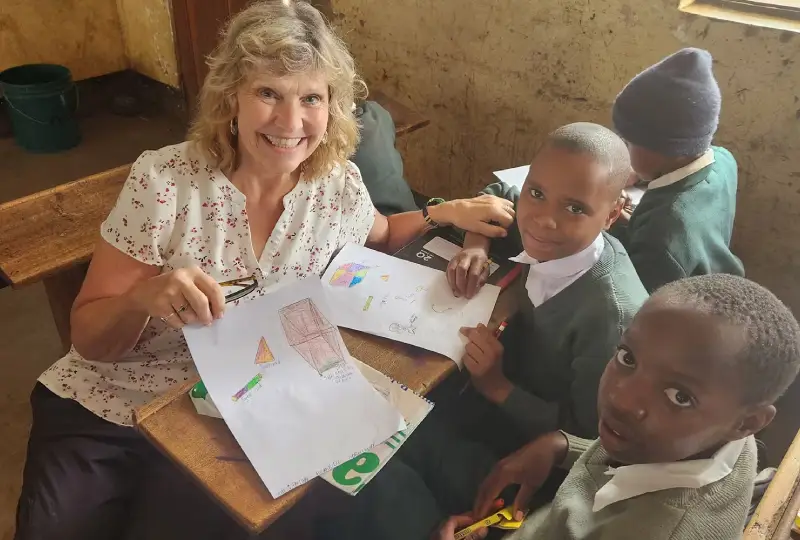
Volunteers play an essential role in supporting education in Tanzania, especially in rural and underserved communities where schools often face shortages of teachers, resources, and learning materials. Through their dedication and skills, volunteers help improve the quality of education, inspire students, and strengthen local capacity. Whether they come from within Tanzania or from abroad, volunteers contribute to shaping a brighter future for children and communities across the country.
Supporting Teachers and Enhancing Learning
Many schools in Tanzania, particularly in rural areas, experience a shortage of qualified teachers. Volunteers step in to assist by teaching subjects such as English, mathematics, and science, or by supporting teachers in the classroom. Their presence helps reduce teacher workload, allowing for more individualized attention and better learning outcomes.
Volunteers also bring fresh teaching techniques and creative methods that make learning more engaging for students. By introducing new ideas and approaches, they help improve lesson quality and motivate both teachers and learners to embrace innovative ways of education.
Providing Educational Materials and Resources
Access to learning materials remains a major challenge in many Tanzanian schools. Volunteers often help bridge this gap by organizing book drives, collecting school supplies, or helping schools set up small libraries. Some even assist in creating educational materials tailored to the local curriculum.
These resources not only enhance students’ learning experience but also support teachers in delivering effective lessons. Simple tools like textbooks, charts, and learning games can significantly improve classroom participation and academic performance.
Promoting Language and Communication Skills
English is one of Tanzania’s official languages, yet many students, especially in rural areas, struggle with fluency due to limited exposure. Volunteers, especially those who speak English as their first language, play an important role in helping students improve their communication skills.
Through interactive lessons, reading sessions, and conversations, volunteers build students’ confidence and fluency. Strong language skills open up greater opportunities for higher education and future employment, giving children the tools they need to succeed.
Encouraging Cultural Exchange and Global Awareness
Volunteers bring diverse cultural perspectives that broaden students’ worldviews. Learning about different countries, traditions, and ideas helps students develop curiosity and respect for other cultures. This cultural exchange also inspires students to dream big and think beyond their immediate environment.
For local teachers and community members, interacting with volunteers promotes mutual understanding and collaboration, fostering an atmosphere of shared learning and friendship.
Supporting Extracurricular Activities
In addition to classroom teaching, volunteers contribute by organizing extracurricular activities such as sports, arts, music, and environmental programs. These activities build teamwork, discipline, and creativity among students while promoting physical health and personal development.
Many volunteers also introduce clubs or community projects that encourage leadership and social responsibility. Such initiatives help students gain confidence, learn problem-solving skills, and develop a sense of purpose.
Building Infrastructure and School Facilities
Some volunteers engage in hands-on work such as renovating classrooms, constructing libraries, or improving sanitation facilities. These efforts not only enhance the learning environment but also demonstrate the spirit of collaboration and service. Improved school infrastructure directly impacts student attendance, safety, and overall well-being.
Empowering Teachers and Local Communities
Volunteers don’t just assist; they empower. Through workshops and training sessions, volunteers share knowledge, teaching strategies, and classroom management skills with local educators. This knowledge transfer strengthens the local education system, ensuring that improvements continue long after volunteers have left.
Furthermore, volunteer programs often involve the community, fostering cooperation and shared responsibility for children’s education. This collective effort helps sustain progress and inspires more local participation in school development.
Conclusion
The role of volunteers in Tanzanian schools goes far beyond classroom teaching. They serve as mentors, resource providers, and bridges between cultures, helping to improve education quality and inspire future generations. Their contributions enhance learning experiences, strengthen communities, and create lasting positive change.
Through organizations like Joy Kids Tanzania, volunteers continue to make a meaningful impact, helping children not only gain an education but also the confidence and hope to shape their own futures.