
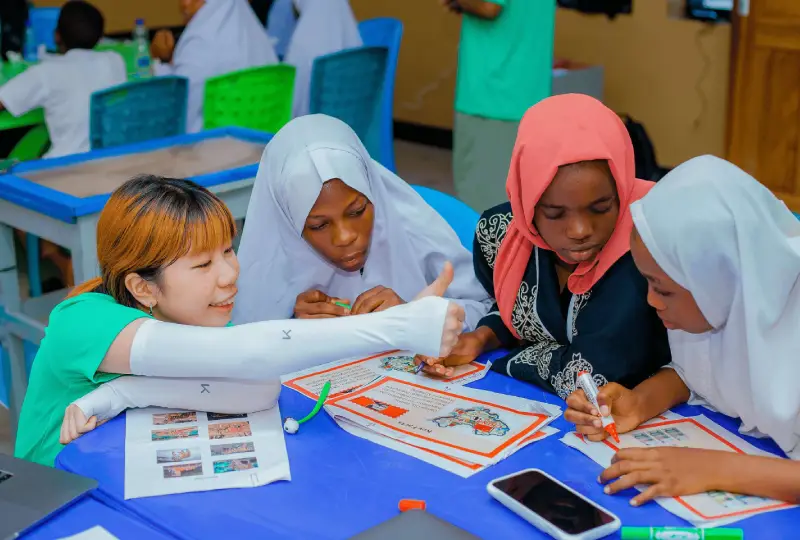
Reading is one of the most powerful tools for education and personal growth. In Tanzania, where many children face barriers to quality education, reading programs have become a vital part of empowering young learners. These programs encourage literacy, creativity, and curiosity, helping children discover the joy of learning while building essential language and comprehension skills. Organizations like Joy Kids Tanzania are at the forefront of promoting reading culture, especially in rural and underserved communities, where access to books and learning materials is often limited.
Building a Foundation for Literacy
Early literacy is the foundation of lifelong learning. Many Tanzanian children start school without access to storybooks or reading materials at home. Reading programs fill this gap by introducing children to age-appropriate books, storytelling sessions, and literacy activities that build vocabulary and comprehension from an early age.
By developing reading habits early, children gain confidence in their ability to learn. They begin to see reading not as a task but as an adventure, one that opens doors to knowledge, imagination, and endless possibilities.
Encouraging a Love for Books
One of the most inspiring aspects of reading programs is how they ignite a genuine love for books. Through engaging stories and interactive reading sessions, children are drawn into the world of imagination. Reading becomes fun and enjoyable, motivating them to explore new ideas and cultures.
Volunteers and teachers often use storytelling, group reading, and creative dramatizations to bring stories to life. This interactive approach not only improves comprehension but also encourages children to express themselves confidently.
Supporting Struggling Readers
In many Tanzanian schools, large class sizes and limited resources make it challenging for teachers to give individual attention to students who struggle with reading. Reading programs help bridge this gap by offering small group sessions or one-on-one support.
Children receive personalized guidance, which helps them progress at their own pace. This extra support builds confidence, reduces learning anxiety, and ensures that no child is left behind.
Improving Academic Performance
Strong reading skills benefit all areas of learning. When children can read fluently and understand what they read, they perform better in subjects like science, mathematics, and social studies. Reading programs help students develop concentration, critical thinking, and problem-solving abilities that extend beyond the classroom.
As literacy improves, so does school attendance and participation. Children who enjoy reading are more likely to stay in school and pursue higher education, setting the foundation for future success.
Promoting Access to Books and Libraries
Many rural schools in Tanzania lack libraries or reading materials. Reading programs help by establishing small libraries, mobile book clubs, and community reading corners. These spaces encourage children to read regularly and share stories with their peers.
Some programs also distribute books for home reading, allowing families to participate in their children’s literacy journey. When parents and caregivers are involved, reading becomes part of everyday life, strengthening the bond between education and family.
Empowering Teachers and Volunteers
Reading programs not only benefit students but also empower teachers and volunteers. Training sessions equip educators with effective literacy teaching methods, storytelling techniques, and strategies to motivate reluctant readers. Volunteers, both local and international, contribute by reading with children, organizing activities, and helping manage reading centers.
This collaboration between teachers, volunteers, and organizations like Joy Kids Tanzania ensures that reading programs are sustainable and impactful.
Fostering Imagination and Creativity
Books introduce children to new worlds and ideas. Through reading, children learn about different people, places, and experiences, which nurtures empathy and creativity. Reading programs inspire young learners to dream beyond their surroundings, encouraging them to think critically and imagine a better future.
Creative writing and storytelling activities within reading programs further help children express their thoughts, build communication skills, and discover their talents.
Conclusion
Reading programs in Tanzania are more than just educational initiatives, they are pathways to empowerment, imagination, and opportunity. By nurturing literacy, providing access to books, and inspiring a love for learning, these programs transform the lives of young learners and their communities.
With the dedication of organizations like Joy Kids Tanzania, every book read becomes a step toward a brighter future one where every child can dream, learn, and achieve their full potential.