
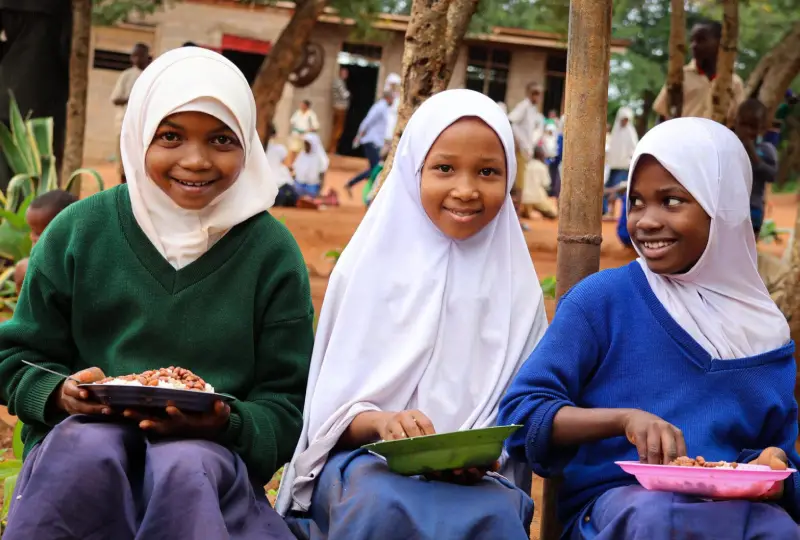
Good nutrition is a cornerstone of a child’s growth, development, and academic success. In Tanzania, where many families face food insecurity, school nutrition programs play a crucial role in helping students stay healthy, focused, and ready to learn. When children have access to balanced meals, they perform better in class, attend school more regularly, and develop both physically and mentally. Organizations like Joy Kids Tanzania understand that feeding the mind starts with feeding the body, and their nutrition initiatives are changing lives one meal at a time.
The Link Between Nutrition and Learning
A child who is hungry struggles to concentrate in class. Hunger causes fatigue, irritability, and difficulty in paying attention, all of which negatively affect learning outcomes. Proper nutrition, on the other hand, gives children the energy and brainpower needed to focus and retain information.
When students eat balanced meals rich in essential nutrients, their memory, concentration, and problem-solving abilities improve significantly. Nutrition also supports physical growth, strengthens the immune system, and reduces illness-related absences, allowing children to attend school consistently and perform at their best.
School Feeding Programs and Their Impact
School feeding programs have become one of the most effective ways to combat hunger and encourage education in Tanzania. These programs provide students with at least one nutritious meal each day, often including staple foods such as rice, beans, maize, vegetables, and fruits.
The results are remarkable. Children who receive regular meals are more likely to stay in school, participate actively, and achieve higher grades. Parents are also more motivated to send their children to school when they know their basic nutritional needs will be met. For many students, school meals are the most reliable source of food they receive each day.
By addressing hunger directly, school feeding programs not only improve education outcomes but also promote equality. They give children from low-income families the same opportunity to learn and succeed as those from more privileged backgrounds.
Promoting Long-Term Health and Development
Nutrition programs do more than fill empty stomachs they help shape healthier futures. When children receive the right nutrients during their formative years, they grow stronger and more resilient. Essential vitamins, minerals, and proteins contribute to healthy brain development and improved physical performance.
Good nutrition also reduces the risk of chronic diseases later in life, ensuring that children grow into healthy adults who can contribute meaningfully to their communities. Educating children about nutrition helps them develop lifelong healthy eating habits, benefiting future generations as well.
Supporting Attendance and Reducing Dropout Rates
Hunger is one of the leading causes of school absenteeism and dropout rates in Tanzania. Children who lack access to food often stay home or leave school early to help their families find work or food. Nutrition programs directly address this issue by making school attendance more appealing and sustainable.
When children know that they will receive a meal at school, attendance rates rise. This consistent participation leads to better academic performance and a stronger commitment to education. Nutrition programs thus serve as a bridge between hunger relief and long-term educational success.
Community Involvement and Sustainability
Sustainable nutrition programs depend on the involvement of local communities. Parents, teachers, and community leaders often collaborate in growing school gardens, preparing meals, or managing food supplies. This teamwork fosters a sense of ownership and responsibility, ensuring that programs continue to thrive even with limited external support.
Organizations like Joy Kids Tanzania encourage community-based approaches, sourcing ingredients locally whenever possible. This not only supports local farmers but also ensures that children enjoy fresh, nutritious meals that reflect their cultural diets.
The Role of Joy Kids Tanzania
Joy Kids Tanzania recognizes that no child can learn effectively on an empty stomach. Their nutrition programs focus on providing daily meals and teaching students about healthy eating. By integrating nutrition education into school curriculums, Joy Kids helps children understand the importance of food for learning and well-being.
Through partnerships with local schools and communities, Joy Kids ensures that meals are balanced, sustainable, and impactful. The organization also emphasizes inclusivity, ensuring that every child regardless of background has access to proper nutrition and a fair chance at education.
Conclusion
Nutrition programs are more than just feeding initiatives they are powerful tools for improving education and breaking the cycle of poverty. When children are well-nourished, they can focus better, learn faster, and dream bigger.
In Tanzania, efforts by organizations like Joy Kids Tanzania demonstrate how simple actions like providing a healthy meal can transform lives and communities. Investing in nutrition is investing in the minds and futures of Tanzania’s next generation, ensuring that every child has the opportunity to learn, grow, and succeed.