
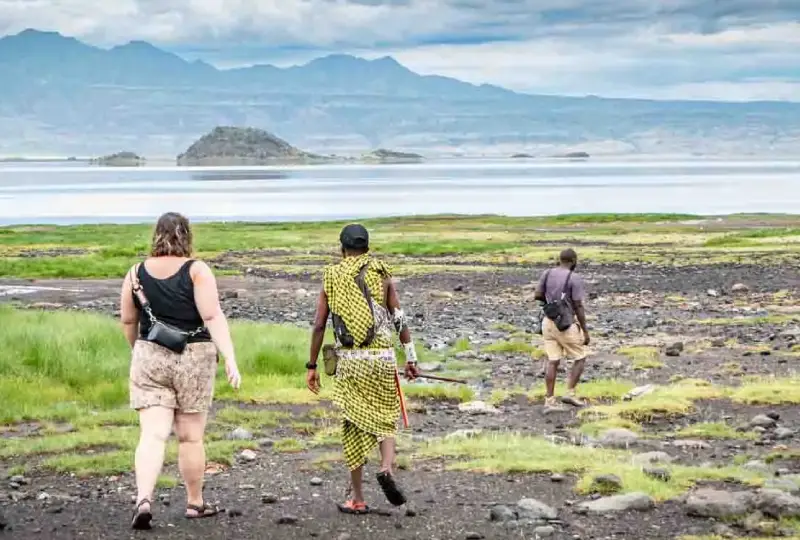
Tanzania is one of Africa’s most enchanting destinations, known for its spectacular wildlife, vibrant culture, and stunning landscapes. From the Serengeti plains to the beaches of Zanzibar, visitors are drawn to its natural beauty and rich heritage. However, traveling responsibly is essential to ensure that tourism benefits local communities, protects the environment, and respects cultural traditions. Ethical travel helps preserve Tanzania’s resources for future generations while allowing visitors to have meaningful and sustainable experiences.
Respect Local Cultures and Traditions
Tanzania is home to diverse ethnic groups, each with its own customs, beliefs, and traditions. Visitors should take the time to learn about local cultures and show respect in their interactions. Simple actions, such as dressing modestly in rural areas or asking permission before taking photographs of people, demonstrate cultural sensitivity.
Engaging with communities respectfully fosters positive relationships and ensures that tourism contributes to cultural preservation rather than disruption. Participating in local events, crafts, or cultural tours can also provide valuable support to artisans and small businesses.
Support Community-Based Tourism
Community-based tourism allows visitors to contribute directly to local economies. Choosing lodges, tours, and activities that are owned or managed by local communities ensures that tourism revenue stays in the area. This approach empowers residents, creates jobs, and encourages sustainable development.
Visitors can support initiatives like local handicraft markets, cultural performances, and guided village tours. By spending responsibly, tourists help communities maintain traditions while benefiting economically from tourism.
Minimize Environmental Impact
Tanzania’s landscapes and wildlife are its greatest treasures, and protecting them is vital. Responsible travelers should practice eco-friendly habits, such as reducing plastic use, conserving water, and disposing of waste properly.
When visiting national parks, it is important to follow park rules, stay on designated paths, and avoid disturbing wildlife. Choosing eco-lodges or accommodations that prioritize sustainability also supports environmental conservation efforts.
Respect Wildlife and Natural Habitats
Wildlife safaris are a highlight of any trip to Tanzania, but ethical practices are essential to ensure the safety and well-being of animals. Observing animals from a safe distance, avoiding loud noises, and not feeding wildlife are critical for minimizing stress and maintaining natural behaviors.
Participating in conservation programs or volunteering with wildlife initiatives can further support the protection of Tanzania’s flora and fauna. By being mindful of wildlife, visitors contribute to long-term preservation efforts.
Choose Responsible Tour Operators
Selecting tour operators committed to ethical and sustainable practices is a key aspect of responsible travel. Reputable operators ensure fair wages for guides, respect local communities, and follow environmental guidelines.
Before booking, research operators’ policies regarding community engagement, conservation, and animal welfare. Supporting companies that prioritize sustainability encourages the tourism industry to adopt ethical standards across the country.
Give Back Through Charity and Volunteering
Visitors interested in making a positive impact can combine travel with charitable support. Volunteering or donating to initiatives that focus on education, health, or community development allows travelers to leave a meaningful legacy.
Organizations like Joy Kids Tanzania offer opportunities for responsible visitors to contribute to local projects, such as supporting schools, nutrition programs, or youth development. Ethical engagement ensures that contributions are sustainable and genuinely benefit the communities involved.
Be Mindful of Local Economies
When purchasing goods or services, always consider the source. Supporting local artisans, farmers, and small businesses ensures that tourism revenue remains within the community. Avoid buying products made from endangered species or exploitative labor practices.
Small acts, like paying fair prices for crafts or using local guides, can make a significant difference in promoting economic sustainability.
Conclusion
Responsible travel in Tanzania requires mindfulness, respect, and a commitment to ethical practices. By respecting cultures, supporting local communities, minimizing environmental impact, and engaging in sustainable tourism, visitors can ensure that their presence contributes positively to the country.
Ethical tourism not only protects Tanzania’s natural and cultural heritage but also creates enriching experiences for travelers. With careful planning and conscious choices, every visitor can leave Tanzania better than they found it, helping preserve its beauty and communities for generations to come.