
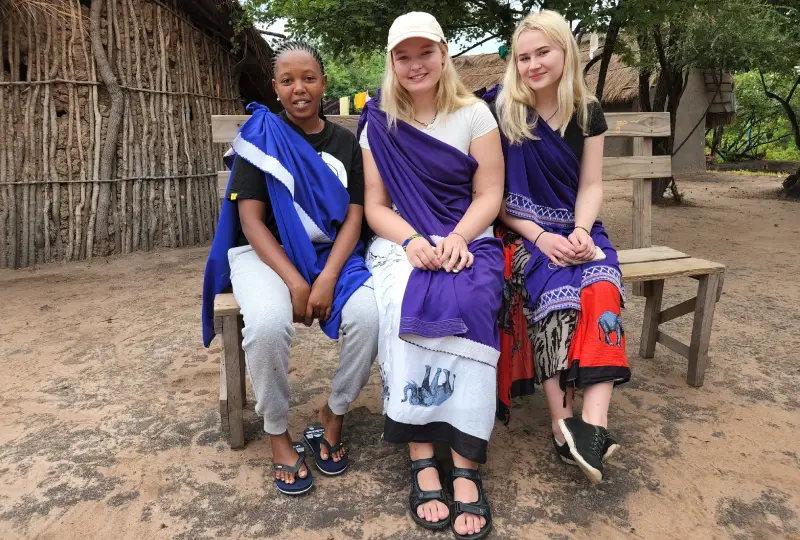
Experiencing Tanzania through the eyes of a local family offers a unique and transformative perspective for travelers and volunteers. Living with a Tanzanian host family allows individuals to go beyond typical tourist experiences, providing a deeper understanding of daily life, traditions, and values. This kind of cultural immersion helps visitors build meaningful relationships, develop cultural sensitivity, and gain lasting memories. Organizations like Joy Kids Tanzania encourage cultural exchange through host family programs, allowing participants to engage authentically with local communities while contributing positively.
Understanding the Host Family Experience
Living with a host family in Tanzania provides more than just accommodation it offers an opportunity to participate in daily routines, share meals, and experience community life firsthand. Visitors learn about local customs, family structures, and traditional practices while observing the rhythms of Tanzanian life.
This experience fosters empathy, understanding, and respect for cultural differences. By seeing how families manage their daily responsibilities, celebrate traditions, and support one another, visitors gain a richer perspective on the social and cultural fabric of Tanzania.
Learning Through Daily Life
Cultural immersion occurs in the small, everyday moments. Sharing meals, attending community events, or helping with household tasks provides visitors with insights into Tanzanian values, hospitality, and problem-solving methods.
For example, visitors may participate in cooking traditional meals, learning how ingredients are sourced locally and prepared using family techniques. Engaging in household routines teaches adaptability, patience, and appreciation for simpler ways of life.
Building Relationships and Mutual Respect
Living with a host family encourages meaningful interactions and mutual respect. By observing and participating respectfully, visitors can develop strong bonds with family members, creating connections that often last long after the stay ends.
Respecting family norms, routines, and personal boundaries is essential. Showing interest in family stories, traditions, and experiences demonstrates appreciation and fosters trust. These relationships enrich the cultural immersion experience and encourage volunteers or travelers to become more culturally aware and sensitive.
Gaining Insight Into Local Traditions and Celebrations
Host families often introduce visitors to local ceremonies, festivals, and cultural practices. Whether attending a village celebration, observing traditional dances, or participating in religious events, visitors gain firsthand knowledge of Tanzanian culture.
Such experiences highlight the importance of community, shared values, and traditions in shaping daily life. Visitors leave with a deeper understanding of the cultural context that influences social behavior, education, and community development.
Learning Practical Language Skills
Living with a host family provides a natural environment for practicing Swahili, the national language of Tanzania. Visitors can learn basic greetings, expressions, and conversational skills while engaging in day-to-day interactions.
Language immersion not only enhances communication but also deepens cultural understanding. Even learning simple phrases demonstrates respect and helps foster stronger connections with family members and the wider community.
Contributing Positively to the Family and Community
While cultural immersion emphasizes learning, it also encourages giving back. Volunteers or visitors can contribute by assisting with chores, sharing skills, or supporting family initiatives. These actions demonstrate goodwill, reinforce mutual respect, and create meaningful experiences for both visitors and host families.
Programs facilitated by organizations like Joy Kids Tanzania often guide participants on how to engage respectfully and responsibly, ensuring that cultural immersion is beneficial for both the visitor and the host family.
Developing Personal Growth and Cultural Awareness
Living with a host family challenges visitors to step out of their comfort zones and adapt to new ways of life. It encourages reflection, empathy, and an appreciation for diversity. Participants often gain valuable life skills, including adaptability, problem-solving, and effective communication across cultures.
Cultural immersion fosters an understanding of global interconnectedness, highlighting the importance of respect, collaboration, and cultural sensitivity in everyday interactions.
Conclusion
Staying with a Tanzanian host family provides a unique, immersive experience that goes beyond traditional travel or volunteering. Visitors gain insight into daily life, cultural traditions, and community values, while building meaningful relationships and personal growth.
Through programs supported by organizations like Joy Kids Tanzania, cultural immersion becomes a bridge between visitors and local communities, promoting mutual understanding, respect, and positive impact. Living with a host family is not just an educational experience it is an opportunity to create lasting memories and contribute meaningfully to the lives of Tanzanian families.