
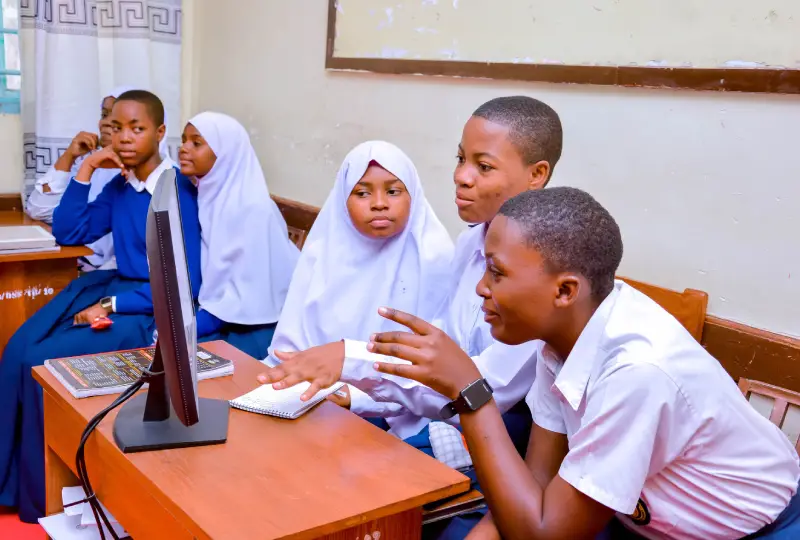
Education is one of the most powerful tools for empowering girls and transforming societies. In Tanzania, progress has been made toward improving access to education, yet many girls still face significant barriers that prevent them from completing school. Poverty, early marriage, cultural norms, and inadequate resources continue to hold many girls back from reaching their full potential. Supporting girls’ education is not only a matter of equality but also a key driver of economic growth and social development. Organizations like Joy Kids Tanzania are playing a vital role in breaking these barriers and giving every girl the opportunity to learn, dream, and succeed.
The Importance of Educating Girls
Educating girls has far-reaching benefits that go beyond the classroom. When a girl receives an education, she gains knowledge, confidence, and the ability to make informed decisions about her life. Educated women are more likely to secure employment, earn higher incomes, and contribute to their families and communities.
Research shows that girls who complete school are less likely to marry early or face health risks associated with teenage pregnancy. They are also more likely to ensure their own children receive education and healthcare, creating a positive cycle that benefits future generations. For Tanzania, investing in girls’ education means investing in a more equitable, prosperous, and sustainable future.
Major Barriers Facing Girls in Education
Despite its importance, many girls in Tanzania encounter challenges that prevent them from accessing or continuing their education.
1. Poverty and Economic Challenges
For many families, poverty is a major obstacle. Parents struggling to afford school fees, uniforms, and supplies often prioritize boys’ education over girls’. Some girls are forced to drop out of school to help at home or work to support their families.
2. Early Marriage and Pregnancy
Cultural practices such as early marriage remain a significant issue in parts of Tanzania. Girls who marry young often leave school permanently, cutting short their education and limiting future opportunities. Teenage pregnancies also contribute to high dropout rates, as pregnant girls are often unable to return to school.
3. Cultural and Gender Norms
Traditional beliefs in some communities discourage girls from pursuing education, viewing their primary role as caretakers or future wives. These outdated norms undermine girls’ confidence and deny them the right to reach their full potential.
4. Lack of Sanitary Facilities
Many schools lack proper sanitation facilities for girls, particularly during menstruation. Without privacy or access to menstrual hygiene products, some girls miss classes regularly or drop out entirely. Improving school infrastructure and menstrual health education is essential to keeping girls in school.
5. Distance and Safety Concerns
In rural areas, schools are often located far from home, and long distances can expose girls to safety risks. Fear of harassment or violence discourages attendance, especially when girls must travel alone.
Breaking the Barriers Through Community Efforts
Addressing these challenges requires collective action from communities, schools, and organizations. Joy Kids Tanzania focuses on removing the barriers that prevent girls from accessing education. By offering scholarships, school supplies, and mentorship programs, Joy Kids ensures that girls have the support they need to stay in school and perform well academically.
Community engagement plays a key role. Joy Kids works closely with parents and local leaders to raise awareness about the value of educating girls. Workshops and outreach programs challenge traditional norms and encourage families to view education as a shared opportunity for both boys and girls.
Empowering Girls Through Mentorship and Life Skills
Mentorship programs help build girls’ confidence and resilience. Female mentors act as role models, guiding girls through challenges and inspiring them to pursue their dreams. Joy Kids also integrates life skills training, teaching topics such as health, leadership, and financial literacy. These skills empower girls to make informed decisions and prepare them for a brighter future.
The Long-Term Impact of Girls’ Education
When girls are educated, entire communities benefit. Educated women are more likely to become leaders, entrepreneurs, and advocates for change. They contribute to economic growth, promote health awareness, and inspire the next generation. In the long term, girls’ education helps reduce poverty, improve gender equality, and build stronger societies.
Conclusion
Breaking the barriers to girls’ education in Tanzania requires continued effort, compassion, and collaboration. Poverty, early marriage, and cultural norms remain challenges, but through the work of organizations like Joy Kids Tanzania, progress is being made every day.
By supporting girls’ education, we are not just changing individual lives, we are shaping the future of Tanzania. Every girl deserves the chance to learn, to dream, and to lead. With education as their foundation, Tanzanian girls can rise above barriers and build a brighter, more equal tomorrow.