
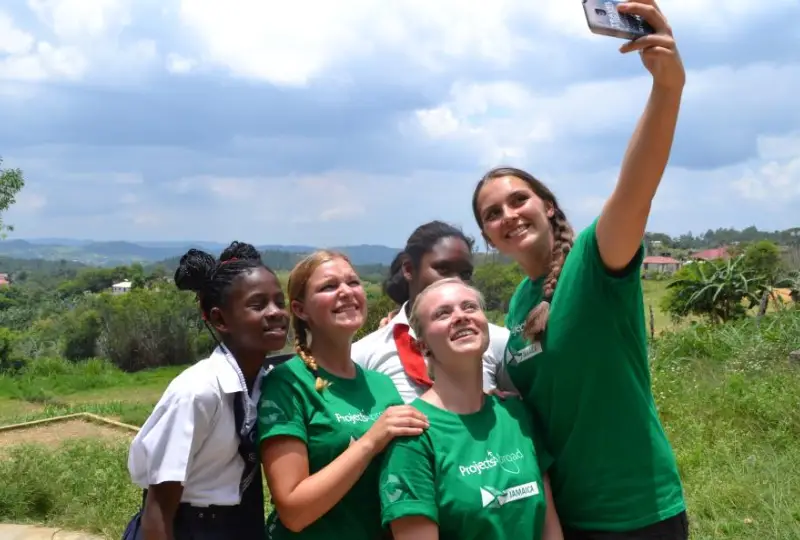
Volunteering abroad is an enriching experience, offering opportunities to contribute, learn, and connect with communities in meaningful ways. Many volunteers naturally want to capture and share these experiences through photos, videos, and stories. However, documenting your journey responsibly is essential to protect the dignity, privacy, and safety of the people you serve, as well as to ensure that your content reflects ethical and respectful practices. Organizations like Joy Kids Tanzania emphasize responsible storytelling as part of their volunteer programs.
Understand the Importance of Consent
Before capturing any photos or videos, it is crucial to obtain clear consent from the individuals involved. In Tanzania, as in many countries, taking images of children or community members without permission can be intrusive or disrespectful. Always ask politely, and explain how the images will be used.
Consent ensures that the subjects feel comfortable and respected. It also prevents misuse of media and reinforces ethical standards in volunteer documentation.
Respect Privacy and Sensitivity
Volunteers often work with vulnerable populations, including children, families in need, or people facing social or economic challenges. When documenting experiences, avoid capturing images that could embarrass, expose, or misrepresent individuals.
Focus on storytelling that highlights positive experiences, community achievements, and the impact of projects rather than personal struggles. Sensitivity ensures that your content celebrates the community without exploiting or sensationalizing their circumstances.
Highlight Community and Impact
Responsible documentation should emphasize collaboration, cultural richness, and the impact of volunteer efforts. Showcase interactions, learning moments, and community-led initiatives rather than focusing solely on the volunteer’s presence.
For example, photos of group activities, workshops, or educational projects highlight teamwork and community engagement. This approach demonstrates respect for local contributions and avoids portraying volunteers as the “savior” figure.
Avoid Oversharing Personal Information
When sharing stories or images online, be mindful of what personal information you disclose. Avoid including names, addresses, or other identifying details of children or vulnerable individuals. Protecting privacy is critical to ensure their safety and well-being.
Volunteers can share experiences safely by focusing on activities, learnings, and cultural insights rather than specific personal information.
Use Social Media Thoughtfully
Social media is a powerful tool for sharing your volunteer journey, but it requires careful consideration. When posting updates, captions, or stories, maintain a tone of respect and cultural awareness. Avoid posts that could be interpreted as judgmental, patronizing, or culturally insensitive.
Tagging organizations, highlighting local initiatives, and promoting positive messages can help raise awareness without compromising ethical standards.
Reflect Personal Growth and Learning
Responsible documentation is not only about representing the community accurately it’s also about reflecting your own experiences and growth. Share lessons learned, challenges overcome, and skills gained during your volunteer journey.
Personal reflection can inspire others to volunteer ethically and promotes an understanding of cultural exchange, empathy, and sustainable engagement.
Collaborate With Local Partners
When possible, work with local staff, teachers, or community leaders to guide how your volunteering journey is documented. They can provide insight into culturally appropriate ways to capture images, share stories, and represent the community.
Collaboration ensures that your documentation aligns with local norms and values, strengthening trust and fostering respectful storytelling.
Prioritize Ethical Storytelling
Ethical storytelling means balancing transparency, accuracy, and respect. Avoid exaggerating the impact of your volunteer work or misrepresenting the community. Focus on authentic experiences that highlight learning, connection, and sustainable development efforts.
By prioritizing ethics over aesthetics or personal recognition, volunteers can create meaningful content that educates, inspires, and respects the dignity of all involved.
Conclusion
Documenting your volunteering journey responsibly is essential for ethical engagement, community protection, and personal reflection. By obtaining consent, respecting privacy, highlighting impact, and collaborating with local partners, volunteers ensure that their stories celebrate communities without causing harm.
Organizations like Joy Kids Tanzania provide guidance on responsible documentation, helping volunteers share their experiences thoughtfully and ethically. Responsible storytelling transforms a volunteer journey into a source of inspiration, cultural understanding, and sustainable impact, benefiting both the community and the volunteer.