
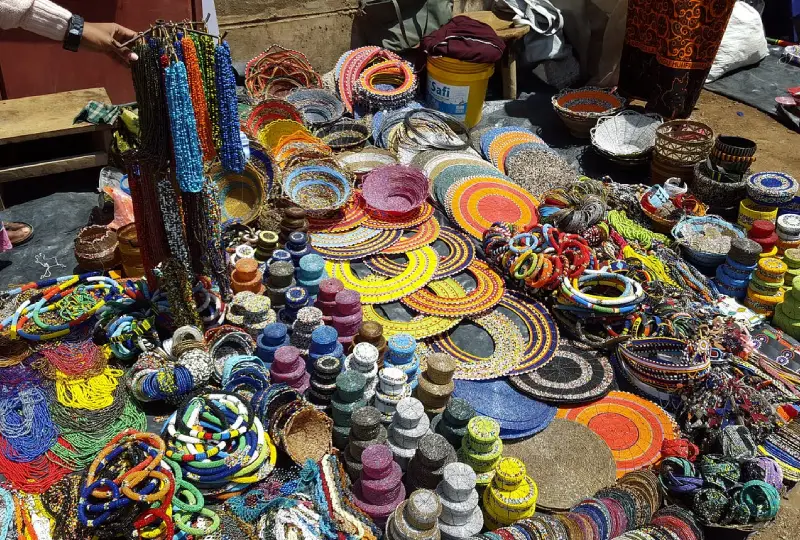
Tanzania is renowned for its vibrant markets, handmade crafts, and rich cultural heritage. Cities like Arusha and Moshi offer travelers and volunteers a unique opportunity to experience this culture firsthand while supporting local artisans and small businesses. Purchasing local products not only provides authentic souvenirs but also contributes to community development, empowers artisans, and preserves traditional crafts. Organizations like Joy Kids Tanzania encourage ethical engagement with local markets, helping visitors make meaningful contributions while enjoying Tanzania’s cultural richness.
The Importance of Supporting Local Markets
Local markets in Arusha and Moshi are hubs of commerce, culture, and community interaction. They provide livelihoods for countless artisans, farmers, and traders, many of whom rely on tourism and local sales to support their families. By buying directly from these markets, visitors ensure that income goes straight to the producers rather than intermediaries or mass-market suppliers.
Supporting local markets strengthens the local economy, reduces poverty, and helps communities maintain their cultural traditions. It also promotes sustainable practices, as many artisans use natural or locally sourced materials in their crafts.
Experiencing Tanzanian Culture Through Crafts
Tanzanian crafts are rich in tradition and symbolism. From handwoven baskets and colorful textiles to wood carvings and beadwork, each piece reflects the creativity, history, and identity of the local community. Visiting markets in Arusha and Moshi allows travelers to appreciate these crafts in their cultural context.
Engaging with artisans provides insight into their skills, techniques, and the stories behind each creation. This personal connection enhances the value of the items purchased and encourages cultural exchange between visitors and the community.
Empowering Artisans and Local Entrepreneurs
Purchasing local crafts is a direct way to empower artisans, many of whom are women and youth striving to support their families. Income from craft sales can fund education, healthcare, and other essential needs, creating positive ripple effects throughout the community.
Artisan workshops and cooperative groups often provide training and skill development, helping individuals improve the quality of their products and expand market access. By supporting these initiatives, visitors contribute to long-term economic empowerment and capacity building.
Tips for Ethical Shopping
When visiting local markets, it’s important to approach shopping ethically. Consider the following tips:
- Buy directly from artisans whenever possible to ensure that profits go to the creators.
- Pay fair prices that reflect the effort, skill, and materials involved.
- Avoid mass-produced items that mimic traditional crafts but exploit cheap labor.
- Ask about the origin of materials and how products are made, promoting transparency and sustainability.
By being conscious of purchases, visitors help sustain authentic crafts and encourage responsible consumer practices.
Connecting With the Community
Markets in Arusha and Moshi are more than places to shop they are spaces for cultural exchange and relationship building. Talking to vendors, learning about their techniques, and understanding their daily lives fosters mutual respect and connection.
Visitors can also participate in local workshops or demonstrations, gaining hands-on experience in crafts like weaving, beadwork, or pottery. These interactions create memorable experiences while supporting artisans’ livelihoods.
The Role of Joy Kids Tanzania
Joy Kids Tanzania encourages volunteers and travelers to engage with local markets in ways that are ethical, respectful, and impactful. By connecting visitors with community-based craft initiatives, Joy Kids helps ensure that tourism benefits local families while promoting cultural appreciation.
Supporting local markets aligns with the organization’s broader mission of empowering communities, promoting education, and encouraging sustainable development. Visitors who engage responsibly leave a positive impact while enriching their own understanding of Tanzanian culture.
Conclusion
Supporting local markets and crafts in Arusha and Moshi is a meaningful way to experience Tanzania while contributing to community development. Ethical shopping empowers artisans, preserves cultural traditions, and strengthens local economies.
Through conscious choices, visitors can make a difference, ensuring that their travel experiences benefit both themselves and the communities they visit. Organizations like Joy Kids Tanzania help guide travelers in engaging responsibly, creating a mutually beneficial exchange that celebrates culture, supports livelihoods, and promotes sustainable development.