
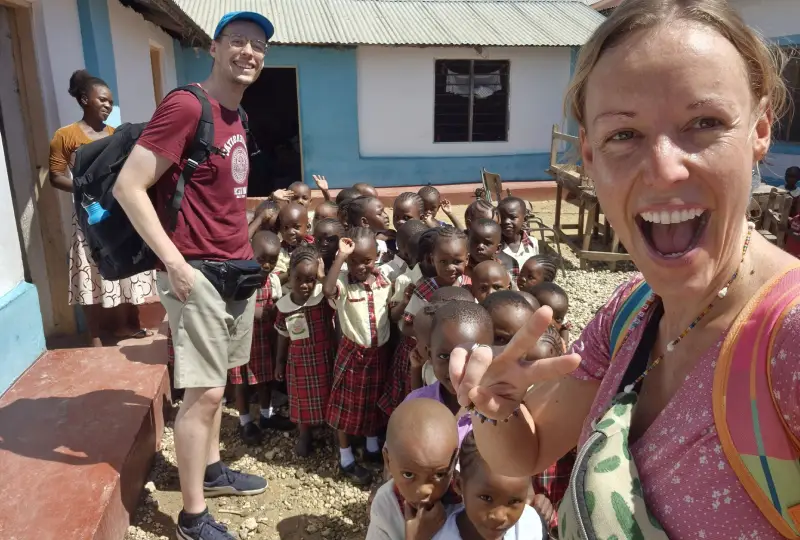
Volunteering abroad offers more than the chance to give back it provides a unique opportunity for cultural exchange. In Tanzania, volunteers often work with children, schools, or community development projects, creating meaningful connections with local communities. Engaging in cultural exchange allows volunteers to learn from the people they serve, while simultaneously sharing their own perspectives, skills, and experiences. This mutual learning fosters understanding, respect, and collaboration, creating lasting benefits for both volunteers and communities. Organizations like Joy Kids Tanzania emphasize cultural exchange as a core element of their volunteer programs, ensuring that service and learning go hand in hand.
Understanding Cultural Exchange
Cultural exchange is the process of interacting with people from different backgrounds to share knowledge, values, and traditions. It goes beyond casual travel or observation, encouraging active participation and engagement with local culture. Volunteers who embrace cultural exchange develop greater empathy, adaptability, and awareness, while community members benefit from exposure to new ideas, skills, and experiences.
In Tanzania, cultural exchange often occurs naturally through activities like teaching, assisting in community projects, participating in local events, and living with host families. These interactions create opportunities for learning, collaboration, and mutual growth.
Building Respect and Understanding
Volunteering in a new cultural setting requires respect for local customs, traditions, and social norms. Cultural exchange encourages volunteers to approach their work with humility and curiosity, listening carefully to community members and observing their ways of life.
By respecting local values, volunteers build trust and foster positive relationships. This trust is essential for effective collaboration, as community members are more likely to embrace initiatives and participate actively when they feel respected and understood.
Learning Through Immersion
Immersion is one of the most effective ways to experience cultural exchange. Living in the community, participating in daily routines, and engaging in local activities allows volunteers to gain first-hand insight into Tanzanian culture.
Whether it is helping in schools, supporting nutrition programs, or participating in cultural ceremonies, immersion provides valuable lessons that cannot be learned from books alone. Volunteers gain a deeper appreciation for the challenges and strengths of the communities they serve, enhancing their ability to contribute meaningfully.
Sharing Skills and Knowledge
Cultural exchange is a two-way process. While volunteers learn from local communities, they also have the opportunity to share their own skills, knowledge, and perspectives. Teaching English, assisting with educational programs, or introducing new techniques in agriculture, art, or health initiatives are examples of how volunteers contribute positively.
When done respectfully, sharing skills enhances community capacity while reinforcing the value of mutual learning. This exchange creates a sense of partnership rather than one-sided aid, promoting sustainable development.
Fostering Global Awareness and Personal Growth
Cultural exchange during volunteering broadens perspectives and fosters global awareness. Volunteers gain insight into the social, economic, and cultural contexts of Tanzanian communities, which can challenge preconceived notions and expand understanding.
These experiences also encourage personal growth, including improved communication skills, adaptability, and problem-solving abilities. Volunteers learn to navigate cultural differences, build relationships across boundaries, and approach challenges with empathy and creativity.
Strengthening Community Connections
Volunteers who engage in cultural exchange often develop lasting relationships with the communities they serve. These connections can lead to ongoing collaborations, mentorship opportunities, and long-term projects that continue to benefit the community.
Organizations like Joy Kids Tanzania facilitate these interactions, guiding volunteers to participate responsibly and respectfully, ensuring that cultural exchange is mutually enriching.
Conclusion
The power of cultural exchange during volunteering lies in its ability to create meaningful, transformative experiences for both volunteers and communities. By embracing local culture, learning from community members, and sharing skills in a respectful manner, volunteers contribute to sustainable development and mutual understanding.
In Tanzania, cultural exchange programs organized by Joy Kids Tanzania allow volunteers to connect deeply with local communities, fostering empathy, collaboration, and lasting impact. Volunteering becomes more than service it becomes a journey of learning, growth, and cultural appreciation that benefits everyone involved.