
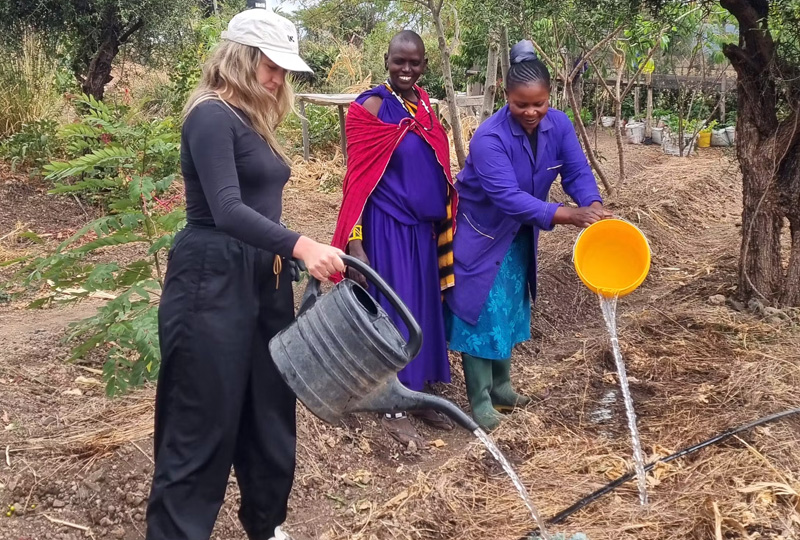
Volunteer Safety and Cultural Etiquette in Tanzania
Joykids Tanzania with volunteer safety and cultural etiquette in Tanzania is essential for anyone planning to volunteer in this vibrant East African country. Tanzania offers a unique and rewarding volunteering experience, whether working with children, wildlife, or local communities. Understanding safety measures and respecting cultural norms ensures that your time in Tanzania is both meaningful and secure. Volunteers who are prepared can enjoy their stay while positively contributing to the communities they work with.
Understanding Volunteer Safety in Tanzania
Safety is a top priority for volunteers in Tanzania. Joykids Tanzania emphasizes clear safety guidelines to help volunteers stay secure during their stay. This includes guidance on safe transportation, avoiding high-risk areas, and protecting personal belongings. Health precautions such as vaccinations, mosquito prevention, and maintaining hygiene are also important for a safe and healthy volunteer experience.
Volunteers are advised to follow local advice, travel with companions when possible, and communicate regularly with program coordinators. By staying aware and prepared, volunteers can focus on their work while minimizing potential risks.
Cultural Etiquette and Respect
Respecting local customs and traditions is key to a successful volunteer experience. Tanzanian culture is friendly and welcoming, but volunteers should be mindful of social norms. Modest clothing, polite greetings, and respectful behavior in communities and schools help build trust and positive relationships.
Learning a few words in Swahili, such as greetings or expressions of gratitude, can also show respect and appreciation for the local culture. Volunteers who demonstrate cultural sensitivity are more likely to create lasting connections and have a meaningful impact.
Working with Children and Communities
When volunteering with children, Joykids Tanzania stresses safety and ethical engagement. Volunteers should maintain professional boundaries, follow instructions from program coordinators, and ensure a supportive environment. Understanding cultural differences in teaching, caregiving, and communication helps volunteers adapt and contribute effectively.
Community projects also require cultural awareness. Observing local practices, participating respectfully, and listening to community leaders fosters cooperation and creates a positive experience for everyone involved.
Preparing for Your Volunteer Experience
Before traveling, volunteers should research health guidelines, local customs, and emergency contacts. Packing appropriately, carrying identification, and knowing local laws help ensure a safe stay. Orientation sessions provided by Joykids Tanzania give essential guidance on both safety measures and cultural etiquette, preparing volunteers to handle challenges and enjoy their time in Tanzania.
Joining Joykids Tanzania Safely
Volunteering in Tanzania can be life-changing when approached responsibly. By understanding volunteer safety and cultural etiquette in Tanzania, participants can work effectively, connect with communities, and make a real difference