
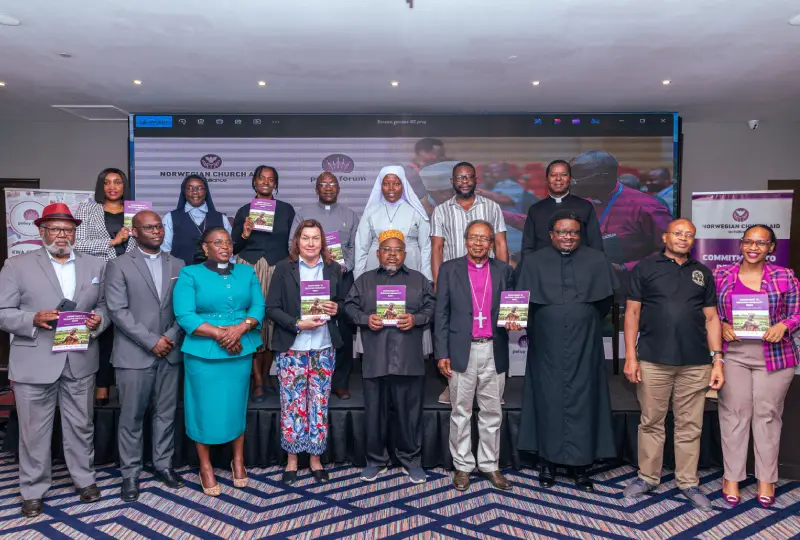
Charitable organizations play a crucial role in improving the lives of communities across Tanzania. From education and healthcare to clean water projects and women’s empowerment programs, charities provide vital support to children, families, and communities in need. However, the effectiveness of these organizations depends not only on their mission but also on the transparency of their operations. Transparency ensures that resources are used responsibly, fosters trust among donors and beneficiaries, and promotes sustainable development.
Building Trust with Donors and Supporters
Transparency is essential for establishing and maintaining trust. Donors, volunteers, and supporters want to know how their contributions are being used and the impact they are making. Charitable organizations that openly share financial reports, project updates, and outcomes build confidence among stakeholders. This trust encourages continued support, attracts new donors, and strengthens long-term partnerships that are crucial for sustaining community programs.
Ensuring Accountability
Transparent organizations are accountable to both their supporters and the communities they serve. By clearly outlining how funds are allocated and providing measurable results, charities can demonstrate responsible use of resources. Accountability helps prevent mismanagement, corruption, or misuse of funds, ensuring that donations directly benefit those in need. It also motivates staff and volunteers to maintain high ethical standards and deliver quality programs.
Measuring Impact and Effectiveness
Transparency allows charitable organizations to measure the success of their projects and make informed decisions for future initiatives. By openly reporting on achievements, challenges, and lessons learned, organizations can assess what works and what needs improvement. This approach ensures that programs are effective, efficient, and responsive to the needs of communities. For example, reporting on the number of children enrolled in school, families gaining access to clean water, or women receiving vocational training provides concrete evidence of impact.
Encouraging Community Engagement
Communities that benefit from charitable initiatives are more likely to participate actively when organizations are transparent. When local residents understand how programs are funded, managed, and implemented, they can contribute ideas, provide feedback, and take ownership of projects. This engagement fosters sustainability, as communities are empowered to maintain and expand initiatives even after external support diminishes.
Strengthening Organizational Reputation
Charities that prioritize transparency are viewed as credible and trustworthy. A strong reputation attracts donors, volunteers, and partners, allowing organizations to expand their reach and impact. In Tanzania, where multiple organizations operate in the same sectors, transparent practices differentiate reputable charities from those that may be less reliable.
Supporting Ethical and Sustainable Development
Transparency is closely linked to ethical practices and sustainable development. When charities operate openly, they are more likely to adopt fair practices, respect local culture, and ensure that programs meet genuine community needs. Transparency also prevents short-term or harmful interventions, instead promoting initiatives that create lasting positive change for children, families, and communities.
Conclusion
Transparency is a cornerstone of effective charitable work in Tanzania. By fostering trust, ensuring accountability, measuring impact, engaging communities, and maintaining a strong reputation, transparent organizations maximize the positive effects of their programs. Donors and volunteers are more confident that their contributions are making a real difference, while communities receive support that is sustainable and meaningful. Organizations like Joy Kids exemplify the importance of transparency, ensuring that every effort contributes to long-term growth, empowerment, and well-being in Tanzanian communities.