
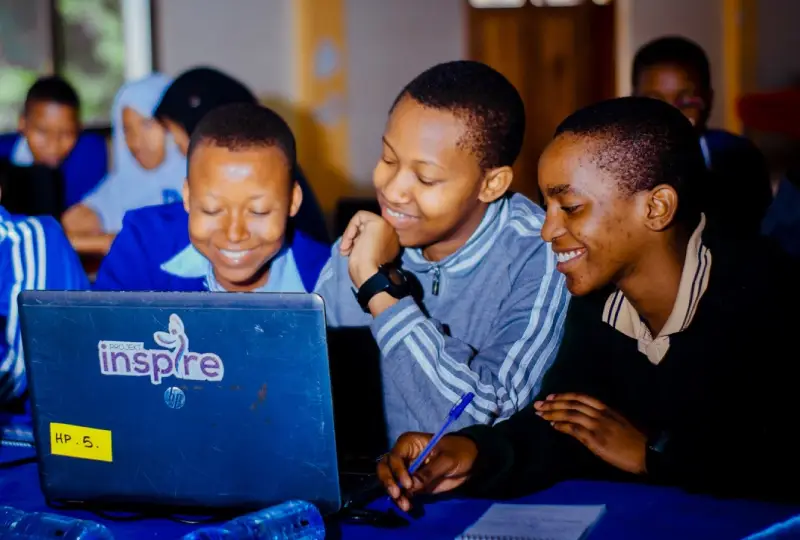
Education is a cornerstone of development, and in Tanzania, technology is playing an increasingly important role in enhancing learning opportunities for children and youth. With limited resources, large class sizes, and challenges in rural areas, traditional education alone cannot meet the growing demand for quality learning. Technology, however, is helping bridge gaps, improve teaching methods, and make education more accessible. Organizations like Joy Kids Tanzania are leveraging technology to ensure that children receive the support they need to succeed academically and develop essential skills for the future.
Enhancing Access to Learning Materials
One of the biggest challenges in Tanzanian schools is the lack of adequate learning materials. Many schools, especially in rural areas, struggle to provide textbooks, stationery, and educational resources. Technology helps address this by offering digital textbooks, online lessons, and educational videos that students can access on tablets, computers, or even mobile phones.
Digital learning materials allow students to study at their own pace and review difficult topics as often as needed. This accessibility ensures that children in underserved areas have the same opportunities as those in well-resourced urban schools.
Supporting Teachers with Innovative Tools
Technology is not only benefiting students but also transforming the way teachers deliver lessons. Digital tools, educational software, and online platforms enable teachers to create interactive lessons, track student progress, and access professional development courses.
For example, teachers can use presentations, quizzes, and multimedia content to make lessons more engaging. This approach encourages active participation and improves comprehension, especially in subjects like science, mathematics, and languages. By integrating technology into classrooms, educators can address diverse learning needs and provide personalized support to students.
Expanding Distance Learning Opportunities
In remote regions of Tanzania, students often face long commutes or limited access to schools. Technology has made distance learning a practical solution, allowing children to participate in lessons from home or community centers.
Online classes, virtual tutoring, and mobile learning platforms ensure that students continue their education even when attending school physically is difficult. During emergencies such as health crises or extreme weather, technology enables uninterrupted learning, preventing students from falling behind.
Encouraging Digital Literacy
In today’s globalized world, digital literacy is as essential as traditional literacy. Exposure to technology in education equips Tanzanian youth with critical computer skills, problem-solving abilities, and familiarity with digital tools.
Programs that teach coding, computer usage, and internet research prepare students for future careers in technology, business, and other modern industries. By learning how to navigate the digital world, students gain confidence and competitiveness in the job market.
Enhancing Collaboration and Communication
Technology also fosters collaboration among students, teachers, and communities. Online forums, messaging apps, and educational platforms allow students to work together on projects, share ideas, and learn from each other. Teachers can connect with peers locally and internationally to exchange best practices and innovative teaching strategies.
This collaboration strengthens learning networks and encourages creative problem-solving. Students gain experience in teamwork, communication, and project management—skills that are valuable both inside and outside the classroom.
Supporting Inclusive Education
Technology is helping make education more inclusive for children with disabilities or learning difficulties. Assistive devices, audio-visual materials, and specialized software allow all students to participate fully in learning activities. By adapting education to meet diverse needs, technology ensures that no child is left behind.
The Role of Joy Kids Tanzania
Joy Kids Tanzania has embraced technology to enhance educational outcomes for children. By providing access to digital learning tools, training teachers in technology integration, and supporting distance learning programs, Joy Kids ensures that students receive a modern, effective, and engaging education.
Their initiatives focus not only on improving academic performance but also on building digital skills that will serve children throughout their lives. By combining technology with traditional learning methods, Joy Kids creates a balanced and comprehensive educational experience.
Conclusion
Technology is transforming education in Tanzania by making learning more accessible, engaging, and effective. From digital textbooks and interactive lessons to distance learning and digital literacy programs, technology empowers students and teachers alike.
Organizations like Joy Kids Tanzania demonstrate how innovative use of technology can overcome challenges, improve academic outcomes, and prepare children for a future in which digital skills are essential. By embracing technology, Tanzania is taking significant steps toward a more inclusive, equitable, and high-quality education system for all children.