
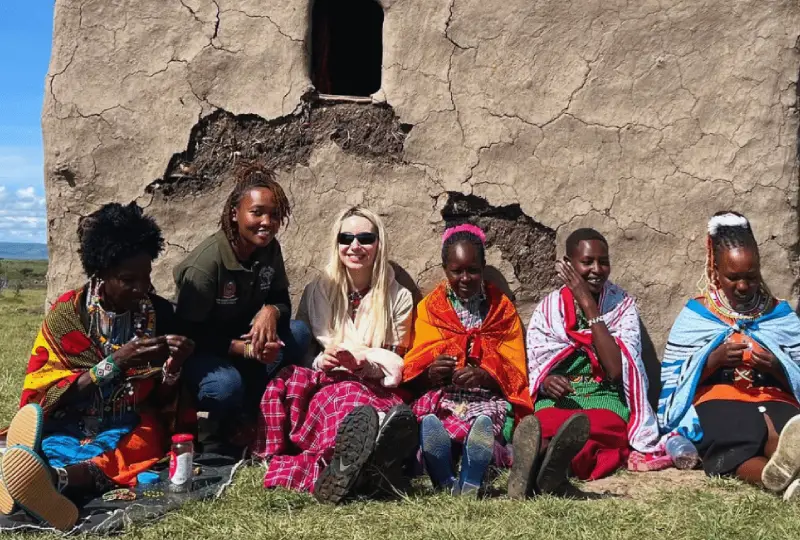
Volunteering abroad is a rewarding experience that allows individuals to make a meaningful impact while learning about different cultures. In Tanzania, volunteers often work with children, schools, or community development projects, gaining a unique perspective on local traditions and lifestyles. However, to create positive relationships and ensure that volunteer efforts are truly beneficial, it is essential to respect local cultures. Understanding cultural norms, values, and customs not only enhances the volunteer experience but also ensures that the communities being served feel valued and respected. Organizations like Joy Kids Tanzania emphasize cultural sensitivity as a core part of their volunteer programs.
Understanding Cultural Sensitivity
Cultural sensitivity involves recognizing, respecting, and valuing the differences and similarities between cultures. Volunteers must approach their work with humility, openness, and a willingness to learn. In Tanzania, this means understanding social norms, religious beliefs, gender roles, and local customs that may differ from your own experiences.
Being culturally sensitive helps prevent misunderstandings, builds trust, and fosters stronger connections with the community. It also demonstrates respect for the people you are serving, which is essential for the success and sustainability of volunteer projects.
Learn About Local Customs Before Arrival
One of the first steps in respecting local culture is preparation. Research the region you will be volunteering in, including common practices, language, and etiquette. Understanding basic greetings, polite gestures, and appropriate dress codes can make a significant difference in how you are received.
For example, in many Tanzanian communities, modest clothing is expected, especially for women. Learning a few words in Swahili, such as greetings or expressions of thanks, shows respect and effort to connect with locals. Volunteers who take the time to prepare culturally are better equipped to build meaningful relationships and integrate into the community.
Observe and Adapt
While preparation is important, volunteers must also observe and adapt to the local environment once they arrive. Pay attention to how community members interact, behave in public spaces, and conduct daily activities. Listening and watching before taking action allows you to understand subtle cultural nuances and avoid unintentionally causing offense.
Adapting to local practices may involve modifying your behavior, communication style, or participation in certain activities. Flexibility and patience are key to demonstrating respect and successfully integrating into the community.
Respect Local Values and Traditions
Every community has unique values and traditions that guide behavior and social interactions. Volunteers should respect these practices, even if they differ from their own beliefs. This may include participating in local ceremonies respectfully, following religious customs, or acknowledging community hierarchies.
Avoid imposing personal beliefs or criticizing cultural practices. Instead, approach differences with curiosity and a willingness to learn. Showing appreciation for local traditions encourages mutual respect and strengthens the impact of volunteer efforts.
Build Meaningful Relationships
Respecting local culture also means fostering genuine connections with community members. Take the time to listen, ask questions, and show interest in people’s lives. Building trust and rapport allows volunteers to understand the community’s needs better and collaborate effectively on projects.
Strong relationships ensure that volunteer work aligns with the priorities of the community rather than imposing external ideas or solutions. This approach promotes sustainable impact and encourages community members to take ownership of initiatives.
Be Mindful of Gender and Age Norms
Cultural expectations around gender and age may influence how you interact with children, adults, and elders. In some Tanzanian communities, for example, children are expected to show respect to elders, and certain tasks may be gender-specific. Volunteers should follow these norms and avoid actions that could be perceived as disrespectful.
Being aware of these dynamics helps volunteers navigate social interactions appropriately and demonstrates understanding of cultural hierarchies.
Collaborate and Learn from Local Leaders
Local leaders, teachers, and community organizers are invaluable resources for volunteers. They provide guidance on cultural norms, best practices, and ways to support community projects effectively. Collaborating with local leaders ensures that volunteer activities are culturally appropriate, accepted, and beneficial to the community.
Listening to and learning from local expertise also enhances the volunteer experience by providing insight into traditions, challenges, and opportunities that may not be apparent to outsiders.
Conclusion
Respecting local cultures when volunteering is essential for creating positive, sustainable impact. By preparing before arrival, observing and adapting, honoring traditions, building relationships, and collaborating with local leaders, volunteers can ensure that their efforts support and uplift communities in meaningful ways.
In Tanzania, organizations like Joy Kids emphasize cultural sensitivity as a cornerstone of their volunteer programs. Volunteers who approach their work with respect, humility, and openness not only make a difference in the lives of children and communities but also gain a richer, more rewarding experience themselves. Volunteering with cultural respect ensures that every action contributes to understanding, trust, and lasting change, creating a truly meaningful journey for both volunteers and the communities they serve.