
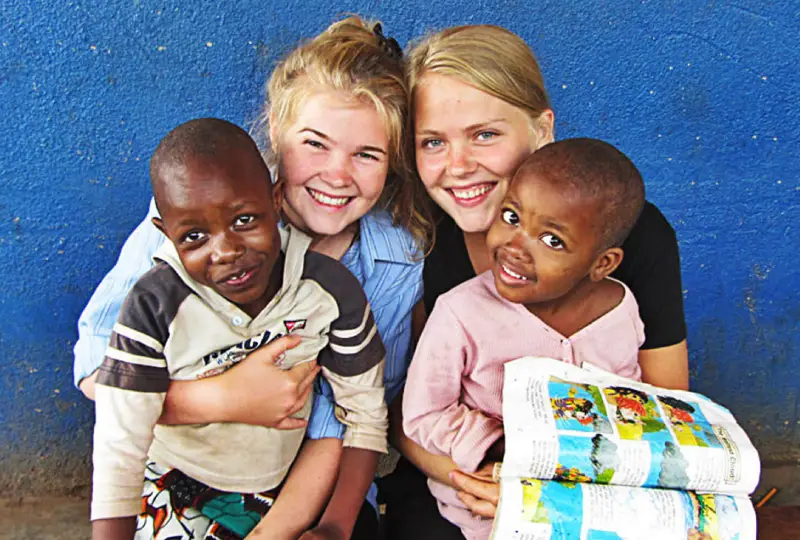
Charity work in Tanzania has seen significant growth over the past decade, driven by the efforts of local organizations, international support, and passionate volunteers. As communities face challenges such as poverty, limited access to education and healthcare, and environmental concerns, charitable initiatives have become a vital force in improving lives. Looking ahead, the future of charity work in Tanzania is shaped by emerging trends, innovative practices, and new opportunities that promise to create lasting impact for children, families, and communities.
Growing Local Philanthropy
One of the most important trends in Tanzanian charity work is the rise of local philanthropy. While international donations have traditionally supported many programs, there is a growing focus on mobilizing domestic resources. Local businesses, community groups, and individual donors are increasingly contributing to charitable causes, helping organizations become more sustainable and responsive to local needs. By engaging the local community, charities can ensure that projects are culturally relevant, widely supported, and more likely to continue long-term.
Emphasis on Sustainable Development
The future of charity work in Tanzania is increasingly focused on sustainability. Charities are moving beyond short-term relief efforts to long-term development strategies that empower communities to thrive independently. Programs now often include skills training, vocational education, and community-led initiatives that build capacity and promote self-reliance. By fostering sustainable development, charitable organizations help communities create lasting solutions to challenges in education, healthcare, and livelihoods.
Integration of Technology and Digital Tools
Technology is transforming the way charities operate in Tanzania. From online fundraising platforms to data management systems, digital tools enable organizations to track progress, measure impact, and reach a wider audience. Mobile technology and social media also allow charities to engage with donors, volunteers, and communities more effectively. For example, data-driven monitoring systems help organizations evaluate the success of their programs, allowing for timely adjustments and better resource allocation.
Focus on Education and Child Development
Education remains a central pillar of charity work in Tanzania. And future initiatives are likely to expand their scope and reach. Organizations are increasingly integrating education with complementary programs, such as school feeding, health awareness, and after-school support. These holistic approaches ensure that children not only access classrooms but also receive the care, nutrition, and guidance necessary for personal and academic growth. By investing in education, charities empower the next generation to break cycles of poverty and contribute to community development.
Healthcare and Nutrition Initiatives
Healthcare projects continue to be a major focus, particularly in rural areas where access to medical services is limited. Charities are supporting mobile clinics, vaccination campaigns, and maternal and child health programs. Nutrition programs, including school meals and community-based education on healthy diets, are also gaining prominence. Future charity work will likely integrate health, nutrition, and education programs to ensure children grow strong, healthy, and ready to succeed.
Women and Community Empowerment
Empowering women and communities is another growing trend in Tanzanian charity work. Programs that provide vocational training, financial literacy, and leadership development for women have a ripple effect, improving the well-being of entire families. Community engagement and participatory approaches also ensure that development projects are inclusive, culturally appropriate, and responsive to local needs.
Collaboration and Partnerships
Partnerships between local organizations, government agencies, businesses, and international NGOs are shaping the future of charity work. Collaborative approaches allow charities to share resources, knowledge, and expertise, enhancing the impact of their programs. Multi-stakeholder collaboration ensures that projects are well-coordinated, scalable, and sustainable, benefiting a larger number of children and families.
Conclusion
The future of charity work in Tanzania is promising, marked by trends that emphasize sustainability. Technology integration, education, healthcare, and community empowerment. By embracing these opportunities, organizations like Joy Kids. Tanzania are well-positioned to make a lasting difference in the lives of children and communities. As local philanthropy grows, programs become more inclusive, and partnerships strengthen. Charity work in Tanzania will continue to transform lives and create brighter futures for generations to come.