
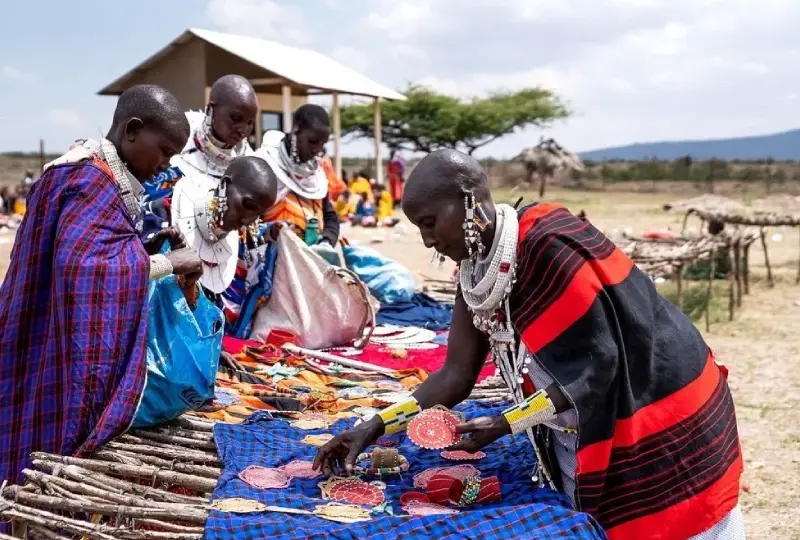
In the Maasai communities of Northern Tanzania, women have traditionally faced social and economic challenges, including limited access to education, financial resources, and decision-making power. Over the years, women empowerment projects have emerged as a transformative force, helping Maasai women gain independence, confidence, and skills to support their families and communities. These initiatives not only improve the lives of women but also create positive ripple effects for children and the broader society.
Promoting Economic Independence
One of the main goals of women empowerment projects in Maasai villages is to foster economic independence. Many initiatives provide women with vocational training in skills such as tailoring, beadwork, agriculture, and small business management. By equipping women with practical skills, these programs enable them to generate income, contribute to household expenses, and support their children’s education. Economic empowerment reduces reliance on traditional structures that may limit women’s opportunities, allowing them to take control of their financial futures.
Supporting Education for Girls
Empowering women in Maasai communities has a direct impact on education. Women who have access to income and resources are more likely to invest in their children’s education, particularly girls. Many empowerment projects also include educational programs for women, helping them learn literacy, numeracy, and health practices. When women are educated and financially independent, they become role models for younger girls, encouraging them to stay in school and pursue higher education.
Improving Health and Well-Being
Health and well-being are central to women empowerment projects. Programs often provide training on nutrition, maternal health, hygiene, and family planning. By improving women’s knowledge and access to healthcare resources, these initiatives reduce maternal and child mortality rates and promote healthier communities. Empowered women are better able to make informed decisions regarding their health and the health of their families, contributing to overall community well-being.
Strengthening Social Leadership
Women empowerment projects also encourage participation in community leadership and decision-making. Through workshops and mentorship programs, Maasai women learn leadership skills and gain confidence to voice their opinions in community meetings and local councils. As women take on leadership roles, they influence policies and initiatives that benefit families and children, ensuring that development efforts are inclusive and representative of the entire community.
Preserving Cultural Heritage While Encouraging Progress
Empowering Maasai women does not mean abandoning cultural traditions. Many programs respect and integrate Maasai culture while promoting social and economic progress. Women learn to balance traditional responsibilities with modern skills and opportunities, creating a harmonious approach to community development. This balance helps preserve cultural identity while enabling women to participate fully in economic and social life.
Creating Lasting Impact for Families and Communities
The benefits of women empowerment extend beyond individual women. When women are empowered, children are more likely to receive proper education and healthcare, and families enjoy greater stability. Empowered women contribute to stronger local economies and more cohesive communities. Over time, these projects help break cycles of poverty and inequality, creating a foundation for long-term development in Maasai villages.
Conclusion
Women empowerment projects in Maasai villages are crucial for fostering economic independence, improving education and health, and strengthening social leadership. By equipping women with skills, knowledge, and confidence, these initiatives uplift entire communities and create lasting positive change. Organizations like Joy Kids play a vital role in supporting these programs, helping Maasai women and their families thrive. Empowered women lead to empowered families, and empowered families lay the groundwork for a stronger, more prosperous future in Northern Tanzania.